

Foreshadowing is a literary device used to hint at events that will happen later in a story. It’s a key tool for authors to build suspense, create atmosphere, and prepare readers for future plot developments.
This article defines foreshadowing, explains its importance, and provides examples from 10 different books, exploring how authors use it to enhance their narratives. We’ll also provide tips on how to effectively use foreshadowing in your own writing.
What Is Foreshadowing?
Foreshadowing is a literary technique where an author subtly or explicitly suggests or hints at what’s to come in a story. The word is a compound of “fore” (meaning “before” or “in front of”) and “shadowing” (referring to the casting of a shadow). Foreshadowing is like a shadow of a future event cast into the present narrative.
It can be as small as a passing comment, a seemingly insignificant detail, a change in weather, a character’s dream, or a symbolic object. It can also be much more significant like a character death or a disaster.
The purpose of any foreshadowing is to create a sense of anticipation and to make the unfolding plot feel both surprising and inevitable.
Why Is Foreshadowing Important?
Foreshadowing is a crucial element in storytelling for several reasons.
- Creates Suspense: By hinting at future events, it builds tension and keeps readers engaged, especially in mysteries and thrillers.
- Enhances Plot Cohesion: Foreshadowing makes later events feel earned and logical, not random. This makes surprising plot twists more satisfying, as readers can look back and see the clues.
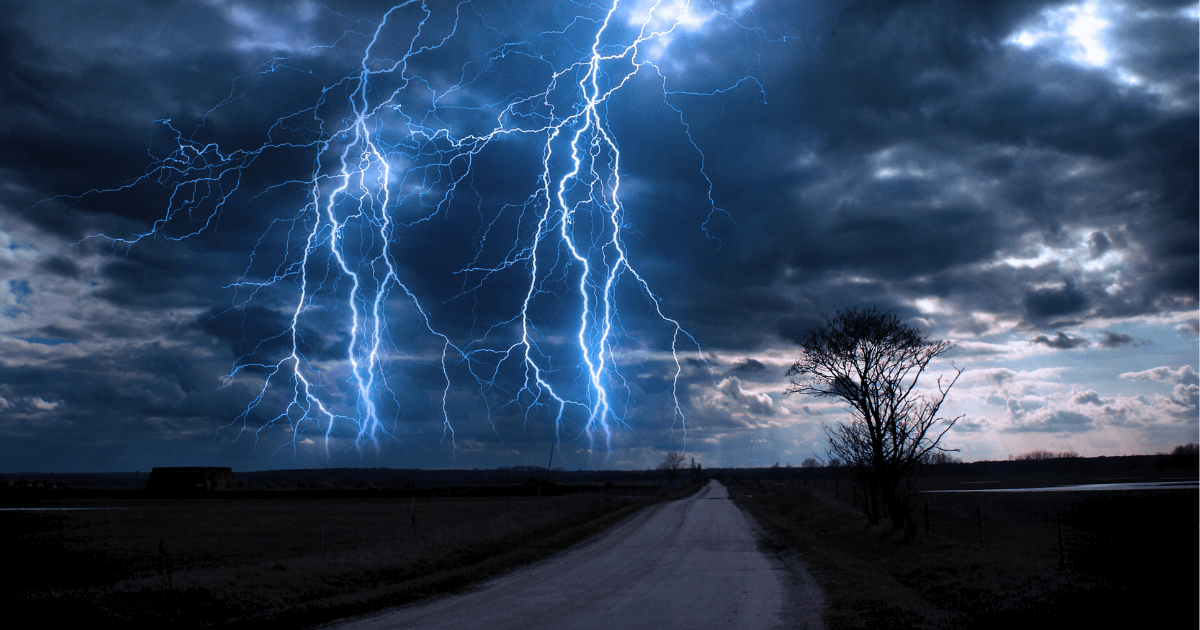
- Establishes Atmosphere: It sets a mood, such as using a dark and stormy night to foreshadow a tragic event, creating a sense of unease.
- Develops Character: A character’s words or actions can foreshadow their future choices or reveal a tragic flaw, hinting at their eventual downfall.
Examples of Foreshadowing in a Story
Frankenstein (1818)
“I saw the hideous phantasm of a man, from whose half-formed features the very soul of the murderer seemed to peer, with a fearful, ghastly, and unnatural smile.”
This is a dream Victor Frankenstein has early in the novel. He dreams of his dead mother and his fiancée Elizabeth, but when he kisses Elizabeth, she turns into the decaying corpse of his mother. This disturbing dream foreshadows the tragic deaths of his loved ones at the hands of the creature he is about to create.
The dream’s imagery of death and decay prepares the reader for the horror that will define Victor’s life, and the fact that it is his fiancée who turns into a corpse specifically foreshadows her eventual murder. The effect is to create a sense of impending doom and to show the reader the psychological torment Victor is already enduring.
The Picture of Dorian Gray (1890)
“The portrait was to be to him as a mirror, a mirror that reflected not a physical likeness but a spiritual one.”
Early in the novel, Basil Hallward paints a portrait of Dorian Gray. Dorian wishes that the portrait would age and bear the marks of sin, while he himself remains young and beautiful. This line foreshadows the supernatural role the painting will play.
The portrait becomes a physical manifestation of Dorian’s decaying soul, and its grotesque changes reflect the moral corruption he embraces. The foreshadowing here is a direct statement of the central magical premise of the novel, setting up the key conflict and its tragic consequences.
The Great Gatsby (1925)
“On the last night, I remember, with what a feeling of security, I walked back to my house. I was thinking of nothing, of course, except the beautiful, ineffable quiet, the stars, the trees, and the warm, delicious night.”
This quote, from the narrator Nick Carraway, is a subtle example of foreshadowing through contrast. The peaceful, beautiful night Nick describes stands in stark opposition to the tragic events that will occur later that evening. This seemingly idyllic moment is a calm before the storm, a final moment of peace before the car accident that kills Myrtle Wilson and sets in motion the novel’s tragic conclusion. The effect is to heighten the sense of loss and tragedy when the peaceful atmosphere is shattered by violence.
The Grapes of Wrath (1939)
“A huge, red-bellied spider—a tarantula—crawled from under the house, and a big black snake, a rattler, slid into the open.”
This detail, early in the novel, describes the hostile environment of the Joads’ Oklahoma home. The tarantula and the rattlesnake are symbols of the dangers and threats that await them. They foreshadow the hardships and hostility the Joad family will face on their journey west to California.
The presence of these dangerous creatures establishes a tone of peril and struggle that will continue throughout the novel. The effect is to prepare the reader for the relentless challenges and brutal realities of the family’s journey.
1984 (1949)
“We shall meet in the place where there is no darkness.”
O’Brien says this to Winston Smith in a dream, and Winston initially interprets it as a promise of a place where they can be free of the Party’s oppression. However, the line is a sinister piece of foreshadowing. Later in the novel, Winston is tortured in the Ministry of Love, a place where the lights are never turned off. O’Brien’s line was not a promise of freedom but a promise of perpetual light, which is used as a form of torture.
The foreshadowing here is a horrifying example of dramatic irony, as the reader knows the true meaning of the line while Winston remains hopeful, making his eventual betrayal all the more devastating.
The House on Mango Street (1984)
“One day I’ll be gone, but the ghost will still be here, always.”
This quote appears early in the book. It’s spoken by a character named Sally, who is abused by her father. The line foreshadows her eventual escape from Mango Street, but also the fact that she’ll remain tied to the place in a metaphorical sense. Sally’s “ghost” will linger in Esperanza’s mind as a warning and an example of the dangers of seeking escape through marriage.
The foreshadowing here is both a prophecy of Sally’s future and a statement on the lasting impact of the characters on each other, creating a sense of both hope and tragedy.
Harry Potter and the Sorcerer’s Stone (1997)
“There are some things you can’t share without ending up liking each other, and knocking out a twelve-foot mountain troll is one of them.”
This line, spoken by Ron Weasley, foreshadows the deep and lasting friendship between Harry, Ron, and Hermione. The three students are initially at odds with each other, but their shared experience of defeating the troll in the girls’ bathroom solidifies their bond.
This seemingly simple line of dialogue foreshadows not only the beginning of their friendship but also the many future trials they will face together as a team.
The foreshadowing is a fun, lighthearted way to show the origin of their friendship, making their later struggles feel more earned and their bond more believable.
The Road (2006)
“He mistrusted all dreams. He knew in his heart that they were only shadows and that the real world was the one he awoke to.”
This quote, from the nameless father, foreshadows the tragic end of his journey. The father sees his dreams as a dangerous distraction from the brutal reality of his world. However, this line also hints that the world he lives in is itself a kind of “shadow” of the world that once was.
The foreshadowing here works on multiple levels: it speaks to the father’s constant struggle to survive, his fear of losing his resolve, and it hints at the bleak, dreamlike, and ultimately hopeless nature of their journey. The effect is a deep sense of tragic resignation.
Tips For Including Foreshadowing in Books
How to Foreshadow a Plot Twist
Foreshadowing a plot twist requires a delicate balance. The clues must be subtle enough that the reader doesn’t immediately guess the twist, but clear enough that in hindsight, they feel satisfied.
- Plant clues in plain sight: Use details that seem insignificant at the time. A character’s strange habit, an offhand comment, or a seemingly unimportant object can be used to set up a future revelation.
- Use misdirection: Present multiple possibilities to the reader, drawing their attention to a red herring. For example, if a character is a secret villain, you can make another character seem more suspicious, so the reader’s attention is focused elsewhere.
- Create a sense of irony: Have a character say something that, in retrospect, has a double meaning. This is especially effective when the character is unaware of the irony. This creates a powerful moment of realization for the reader after the twist is revealed.
How to Write Foreshadowing
Effective foreshadowing is not about stating future events directly, but about hinting at them in a way that feels organic to the story.
- Symbolism: Use symbols to represent future events or themes. A cracked mirror might symbolize a broken relationship. A wilting flower could symbolize a character’s declining health.
- Dialogue: Use dialogue to foreshadow. A character could mention a past tragedy that mirrors a future one. A conversation about a character’s fear might reveal a vulnerability that will be exploited later.
- Environmental details: The setting can be a powerful tool for foreshadowing. A change in weather, a dilapidated building, or a dangerous landscape can all hint at future conflict or decay.
- Prophecy or myth: In fantasy or science fiction, a prophecy or an ancient myth can be a powerful tool for foreshadowing. The author can gradually reveal how the prophecy is coming true, building suspense.
How to Foreshadow the Next Book in a Series
Foreshadowing for a sequel helps to create a smooth transition between books and builds anticipation for the next installment.
- Introduce a new, unexplained character or object: Introduce a new character or a mysterious object at the very end of the book without a full explanation. This leaves the reader wondering about their significance and sets up the next book’s plot.
- Leave a loose end: While the main plot of the current book should be resolved, leave a subplot or a minor mystery unresolved. This can be a small clue or an unanswered question that will become central to the next book.
- Hint at a larger conflict: The main conflict of the current book might be a small part of a much larger struggle. Foreshadowing for the next book can involve a character discovering a larger threat that they will have to face in the future.
- Show a character on a new journey: As one character’s story concludes, another character could embark on a new journey. This can set up the premise for the next book, showing that the story is not truly over.